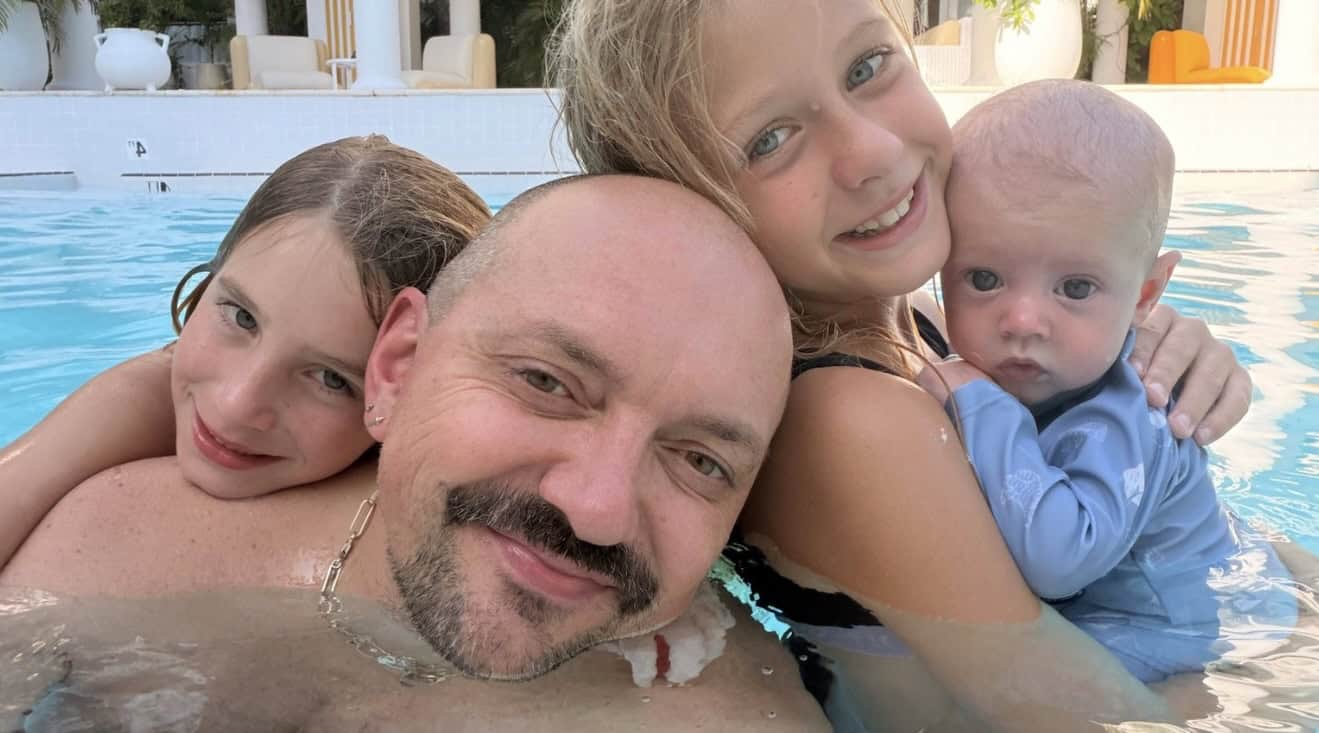
The Complex Reality of Egg Donation Consent: Our Surrogacy Family-Building Journey
Building a family through surrogacy is never simple. The journey through egg donation in the UK and surrogacy in Mexico is filled with hope, heartbreak, and unexpected challenges,especially around the issue of donor consent.
As the co-founder of My Surrogacy Journey, I’ve advocated for transparency and education. But today, I’m writing as a parent who has experienced both the joy of egg donation and the devastating consequences when consent is withdrawn.
Egg Donation in the UK: Hope, Risks, and Gratitude
When we began our journey, we were hopeful. We chose egg donation to build our family, believing that every option, whether anonymous, known, or UK donor-release, came with its own set of risks and rewards. For our daughter, Talulah, we were fortunate to have a UK donor-release arrangement, which gave us access to information and some sense of security.
For our son, Duke, we chose a known donor. At the time, it felt right. We believed that openness would serve him well in the future, giving him the chance to understand his origins fully and perhaps even build a relationship with his donor.
We are deeply grateful to both our donors. Without their generosity, our family simply wouldn’t exist. Their gift is immeasurable, and nothing about our experience diminishes our gratitude
Donor Consent: Rights, Risks, and Emotional Impact
here’s a narrative that “known is best” when it comes to egg donation. There’s logic to it, transparency, honesty, and the potential for ongoing connection. But what’s less discussed is how fragile these arrangements can be, and how central donor consent is to the whole process. Rightly, donors retain the right to withdraw consent at any time before embryo transfer. That protection is fundamental, and it must be respected.
In our case, the reality of that right played out in a way we hadn’t anticipated. Our known donor for Duke first removed her consent for our embryos to be transferred to Mexico. We tried, gently and persistently, to explain how professionally the Mexican fertility sector operates, how robust the safeguards are, and how her DNA would be protected. But despite our efforts, our donor declined to allow the embryos to be transported.
Eight months later, she withdrew her consent entirely. The clinic had to break the news that our remaining embryos, our potential for Duke’s full genetic sibling—would have to be destroyed in 2026. There was no direct conversation, just a devastating finality that left us reeling.
The True Impact: Conversations with Our Children
As a parent, the hardest part is knowing that Duke is the real casualty here. One day, we’ll have to explain to him why he can’t have a full genetic sibling, why that chance was taken away, not by fate or biology, but by a decision that was within another person’s rights, but outside our control. It’s a conversation no parent wants to have..
Lessons for Intended Parents: Navigating Egg Donation and Consent
Our family’s story doesn’t end there. Our third child, Otto, was born in Mexico,an embryo genetically linked to me and Talulah. For us, future transfers would almost certainly have been in Mexico, which is why we wanted all our embryos there. But with the withdrawal of consent, that option vanished.
This is the reality for so many families: the law protects donors, and it should. But these laws also shape the emotional landscape for intended parents and children in ways that are rarely discussed openly.
If there’s one thing I want other intended parents to take from our experience, it’s this: there are risks in every egg donation path. Known donors, anonymous donors, UK donor-release,they all carry the potential for joy and heartbreak. There’s no “safe” or “guaranteed” route.
We believed that openness would protect us, but it also left us vulnerable. The emotional fallout is anything but straightforward.
Moving Forward: Advocacy, Empathy, and Respect
Our story is not just about loss. It’s about the urgent need for education, support, and legal clarity for surrogacy and egg donation in the UK and abroad. As an activist, I’ll keep pushing for change. As a parent, I’ll keep loving my children honestly,even when the conversations are hard.
A Message to Donors: From a Donor
I am not only an intended parent, but also a sperm donor. My gametes have helped create seven babies and new families. I understand the seriousness of becoming a donor and the lifelong weight of consent. Donors’ rights are foundational. I hold no resentment,only sadness that communication broke down. I hope our story encourages more open, compassionate dialogue between donors and intended parents.
For Intended Parents: Advice and Solidarity
Educate yourself, prepare for all outcomes, and approach donor relationships with empathy. There are no guarantees, but there is solidarity in sharing our stories. At MSJ, we stand with every family,however they are built.
If you have questions about surrogacy, egg donation, or family building in the UK or abroad, reach out to My Surrogacy Journey. You are not alone.